Dive Brief:
- The Northern Illinois Transit Authority, successor to the Regional Transportation Authority, released its first proposed 2027 operating budget and five-year capital program on Nov. 2.
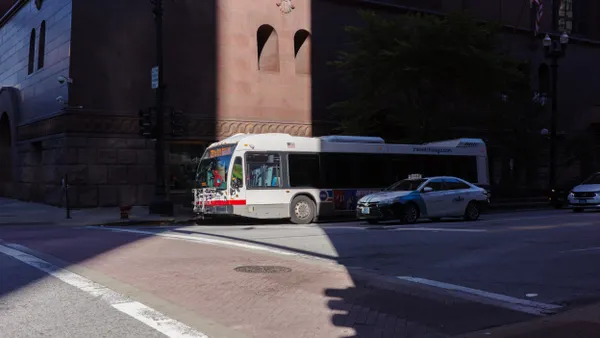
- The $5.04 billion operating budget, which covers the Chicago Transit Authority, Metra commuter railroad and Pace suburban bus service, proposes more CTA bus service, no fare increases next year and measures to improve personal safety.
- Its $9.73 billion capital program, which includes nearly $1 billion over five years from the state’s Road Fund and State Construction Account, will fund new CTA buses and rail cars, new rail cars and train sets for Metra and new buses and a bus rapid transit line for Pace.
Dive Insight:
The Illinois state legislature passed a bill last year to restructure the region’s transportation authority and provide $1.5 billion in funding for public transportation agencies. In 2022, the previous Chicago-area transit agency warned it could run off a fiscal cliff in 2026 as ridership declined during the COVID pandemic and federal relief funds were running out.
The new agency took over Sept. 1. “We have entered a new chapter of public transportation in northeastern Illinois,” Metra Executive Director Jim Derwinski said in a Nov. 2 statement. “The legislation establishing NITA provides not only a pathway for additional investment, but also a framework for greater coordination, accountability and service improvements across the region.”
The 2027 budget includes more transit ambassadors, better coordination with law enforcement and social services, fare gates and a new Office of Transit Safety and Experience. Although violent crime on the CTA system declined this year, some riders and employees still feel unsafe, according to local news reports.
“This budget reflects our focus on our riders’ priorities: frequent and reliable service, strong infrastructure and a system where people feel safe,” CTA Acting President Nora Leerhsen said in a statement.
In a NITA budget survey, riders ranked more health and human service support on the system as most important for better safety.