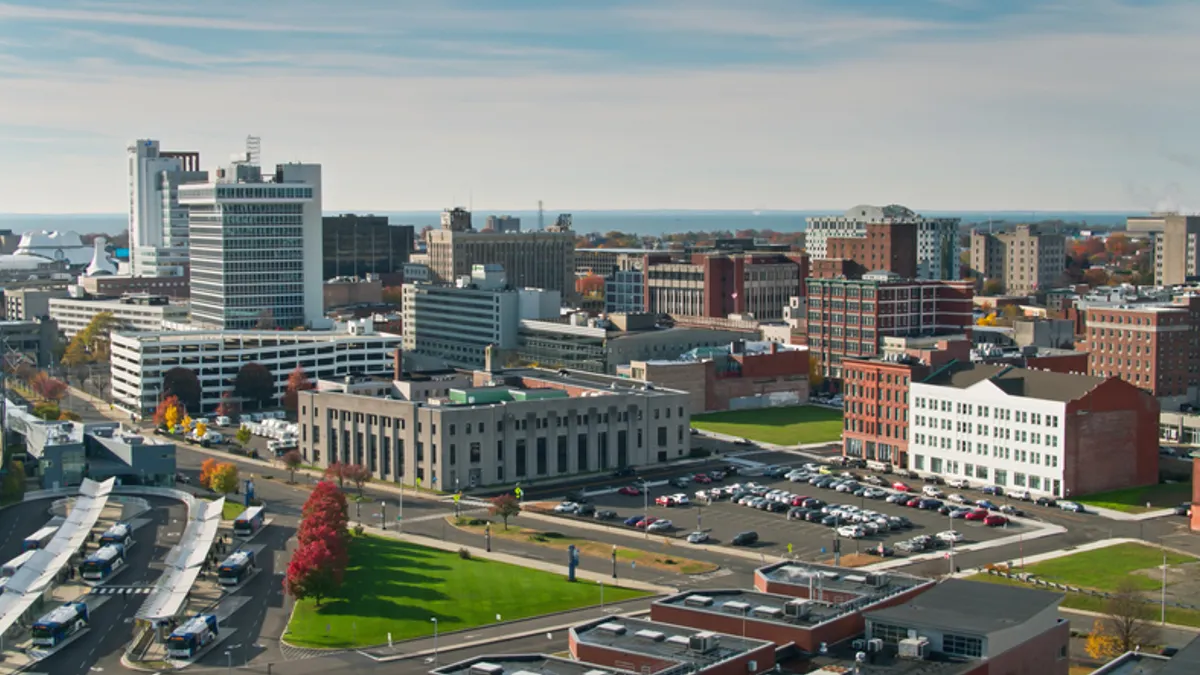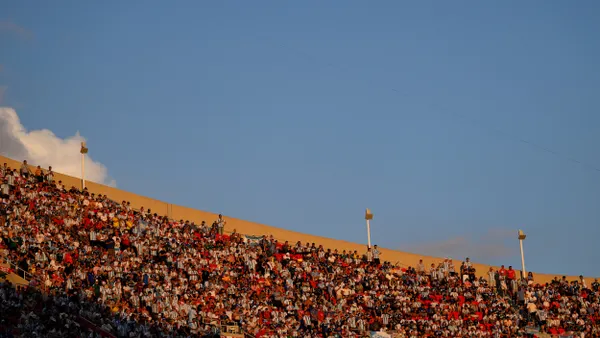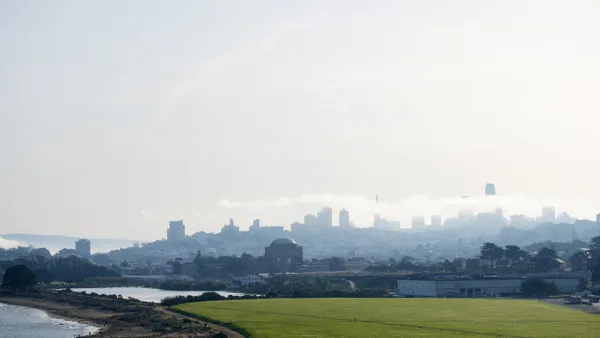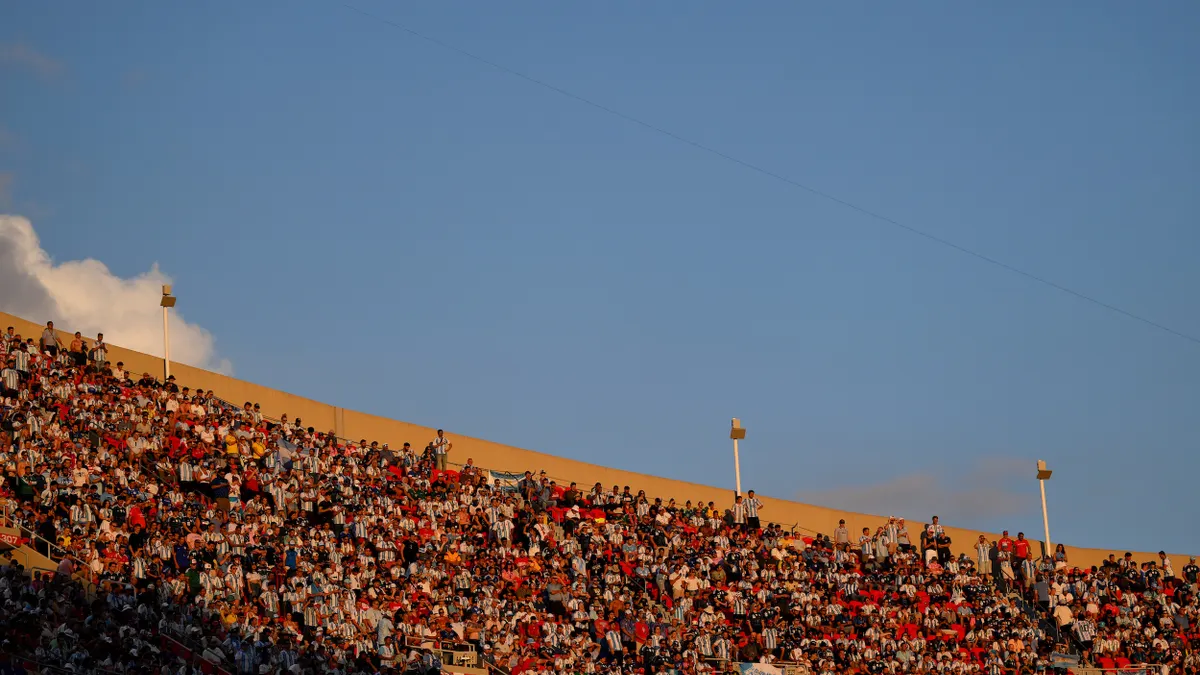
Hosting FIFA World Cup matches over the summer helped put the spotlight on Kansas City, Missouri, the smallest North American market to host a match, Quinton Lucas, the city’s mayor, said during a webinar about the risks and rewards of mega-events for cities hosted by the Bloomberg Center for Cities at Harvard University.
“You don’t think about my city every day,” Lucas said, but the games had a captive audience of millions of people “who start to then think about this place as a cultural center, as a business center.”
To capitalize on that attention, Kansas City created KCHouse, a hospitality, networking and business-attraction venue to connect global executives and city and world leaders. “The whole crux of the mayor job is actually how do you create good convening spaces to get the people of your community to build greater opportunities long-term,” Lucas said.
Cities also need to involve the broader community. Beyond preparing transportation systems and hospitality businesses for an influx of eventgoers, leaders should showcase local culture through food and history, Lucas said.
“Make it more of a festival experience than just the sporting event,” he said. “We know that there are a few things people want to do: They really want to be together, they want to watch matches and they need spaces with which to do it. You, as a city leader, and a group of leaders, have the chance to channel that. You do it well, it’s a memorable event.”
Santa Clara, California, Mayor Lisa Gillmor took a similar community-focused approach when the city hosted Super Bowl LX in February and six World Cup matches during the summer.
The city established an Economic Development and Marketing Committee composed of local residents and representatives from businesses, nonprofits and youth sports organizations to determine what events tied to the games would best serve them.
The answer was those that bring people together, Gillmor said. The city hosted 16 community-centric events, including a pre-Super Bowl Lunar New Year celebration and Santa Clara Day at Levi’s Stadium, which was free for residents, later in the month.
“At the end of the day, when these wonderful countries leave town, what are we left with?” Gillmor said. “Are we left with sore feelings…or do people believe that they had a great experience in Santa Clara, and they’re welcoming more big events in our community?”
Mega-events can strengthen social connection in communities, said Todd Rogers, a public policy professor at Harvard. They feed what he calls the four dimensions of fandom, a group that shares a deep interest in something. These are:
- Providing a reason to gather, whether in small or large groups
- Being repeatable and ritualized
- Fostering an understanding of identity
- Facilitating social interaction
“It just facilitates a completely easy way to talk to people and reconnect with people,” Rogers said.
Fandom can even bridge ideological divides. “Learning that you share my fandom depolarizes as much or more than shared religion, shared race, shared education,” Rogers said. “It’s this unifying force in the international sphere.”
Lucas said hosting mega-events is crucial to subnational diplomacy, or diplomacy carried out by local governments. “I see [cities] as the brands of our countries and our communities,” he said. “If you think about diplomatic relations as how we keep relationships, how we maintain positive ones, [the World Cup] was a clear win for the United States.”