Since Durham, North Carolina, implemented participatory budgeting in 2018, its organizers say they have been intentional about inviting as many residents as possible to take part in the citywide initiative. The process gives anyone who lives or goes to school in Durham and is at least 13 years old a direct say in how the city spends a portion of its budget.
People incarcerated in the Durham County Detention Facility have been allowed to vote on spending decisions from the beginning, but they couldn’t participate in idea generation, proposal development and deliberation, according to staffers with PB Durham, which oversees participatory budgeting in the city. Program leaders saw a missed opportunity.
“One of the really important things for participatory budgeting is to elevate all of the Durham resident voices,” Carmen Ortiz, Durham’s assistant director of community partnerships and engagement, told Smart Cities Dive. “We have residents who are incarcerated who have really tight, strong connections to the community. So, for us, it was really important to engage them in the process.”
The city redesigned its PB program so it could run idea-collection sessions inside the jail and worked with the Durham County Sheriff’s Office to identify incarcerated residents who could serve as budget delegates. The expanded program received a 2026 Smart Cities Dive Community Project Award.
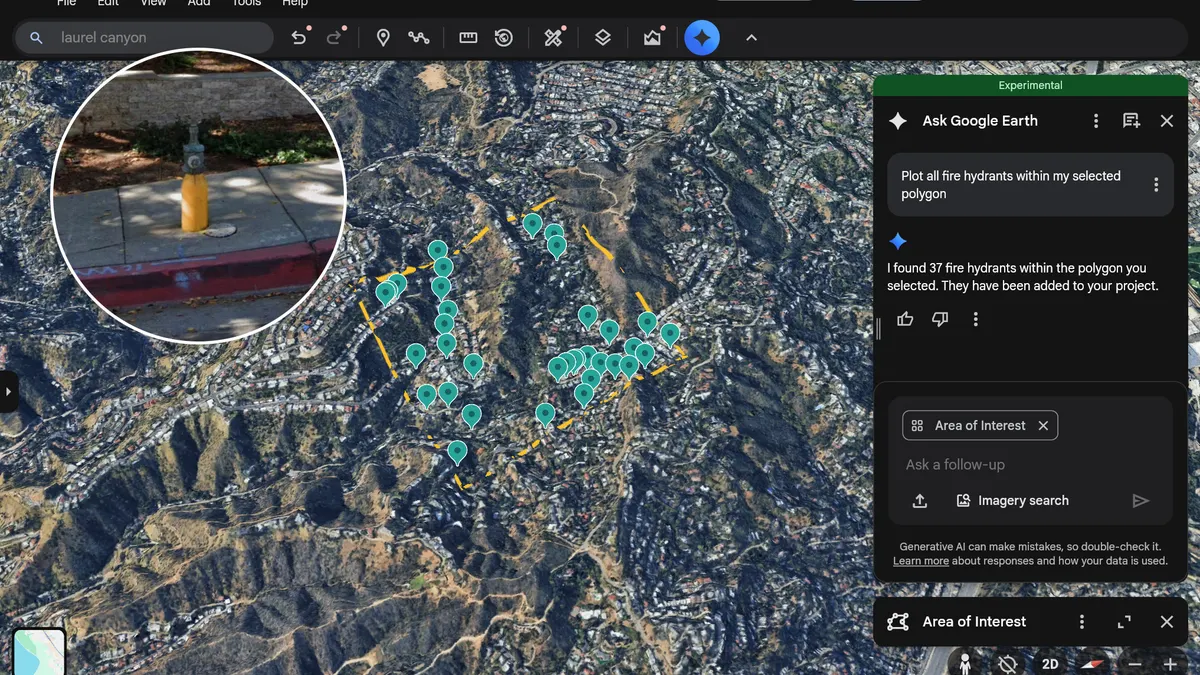
The detention facility residents evaluated budget proposals, meeting biweekly over an eight-week period and working one on one with PB Durham staff. They used iPads to access data from the Durham Neighborhood Compass, a public data platform, and Google Maps’ street view to evaluate projects and inspect sites from inside the jail.
“The iPads were really helpful,” said Durham Innovation Manager Lyndsay Gavin. “We would [look at] a street view of a park, and then some of the participants would be like, ‘Oh, yeah, I do know that park. And I know that it doesn’t have enough play equipment,’ or something like that. It was much more engaging than if we had just printed things and brought them to them.”
“High expectations for our guys”
Before PB Durham could get greater participation from residents who are incarcerated, it had to enlist the cooperation of the county sheriff’s office. It was an easy sell.
“When they gave me the spiel, it really made sense,” said Durham County Sheriff Clarence Birkhead. Residents who are incarcerated “haven’t lost their right to vote and engage in conversations, so why not allow them to be part of the participatory budgeting process as well? It aligned with the things we’re doing inside the Durham County Detention Center.”
The sheriff’s office partners with education institutions for inmates who want to finish high school or get a GED and participates in programs including You Can Vote, which helps people who are incarcerated access absentee ballots, and Welcome Home, a city program that provides support to people returning to Durham after incarceration, Birkhead said.
“We have very high expectations for our guys,” said Justin Ellerbe, chief of detention services for the sheriff’s office, about those incarcerated at the detention center. “We want to raise their ceiling and their expectations.”
Ellerbe says he tells those who are incarcerated that while an event may have put them in the detention center, it does not define them. “The direction that we’re taking our facility is letting all of our detainees know you still have a voice, you still are productive,” Ellerbe said. “Let’s find your values, find your power and get it out there.”
Logistics of participation
In the most recent round of participatory budgeting, 10 residents from the men’s detention center participated in proposal development, 110 participated in idea collection and 230 voted, Ortiz said. (PB Durham hopes to open the program to women who are incarcerated next year, she said.)
The detention center staff screens and approves residents before they’re selected and treats the meetings like an attorney visit in terms of the search and security procedures, Birkhead said. PB Durham sent two to three staff members to each session.
The biggest hurdle the PB Durham team encountered was the residents’ fluctuating availability, the staff members said. Developing proposals takes many months, and inmates can end their terms, get transferred to another facility or lose their privileges, making them unable to participate, Ortiz said. Only three of the 10 residents stayed involved throughout the entire proposal-development phase, she said. “We didn’t anticipate that so many would drop out during the process for different reasons.”
The PB Durham staff members “met our residents where they were,” Birkhead said. “They didn’t talk down to them. They had conversations with them.” For her part, Ortiz said “the sheriff’s team was incredibly supportive.”
“This is, as far as we're aware, a first-of-its-kind approach [to] treating incarcerated residents not as passive recipients of a ballot, but as decision-makers with real authority in a public budgeting process,” Gavin stated in nominating the project. “This was an intentional structural redesign of who gets to hold power in a civic process typically closed to this population.”
“I’m going to see what my voice did”
The incarcerated residents overwhelmingly gravitated toward supporting youth-oriented programs and projects such as basketball courts and playgrounds, Ortiz said. “It’s almost like they’re looking at where they are and they’re like, ‘We want to make sure that our kids don’t end up here.’ There’s just so much power in that.”
Several participants said the experience increased their trust in government, gave them a stronger sense of connection and inspired them to vote or engage with the City Council after their release, according to Gavin. One participant said it offered him a chance to retain “some type of humanity in my situation,” she said. (Smart Cities Dive was unable to get comments directly from detention center residents who participated in the process by the time this article was published.)
The detention center participants took pride and a sense of ownership in being a part of the process, Birkhead said.
They learned that their voice and their ideas mean something, according to Ellerbe. “They had an opportunity to give back to the community and be part of something that’s bigger than they are,” he said.
Some of the participants had to leave the county facility to serve terms in other facilities, Ellerbe added. “They were excited to say, ‘Hey, when I come back home, I’m going to see what my voice did.”