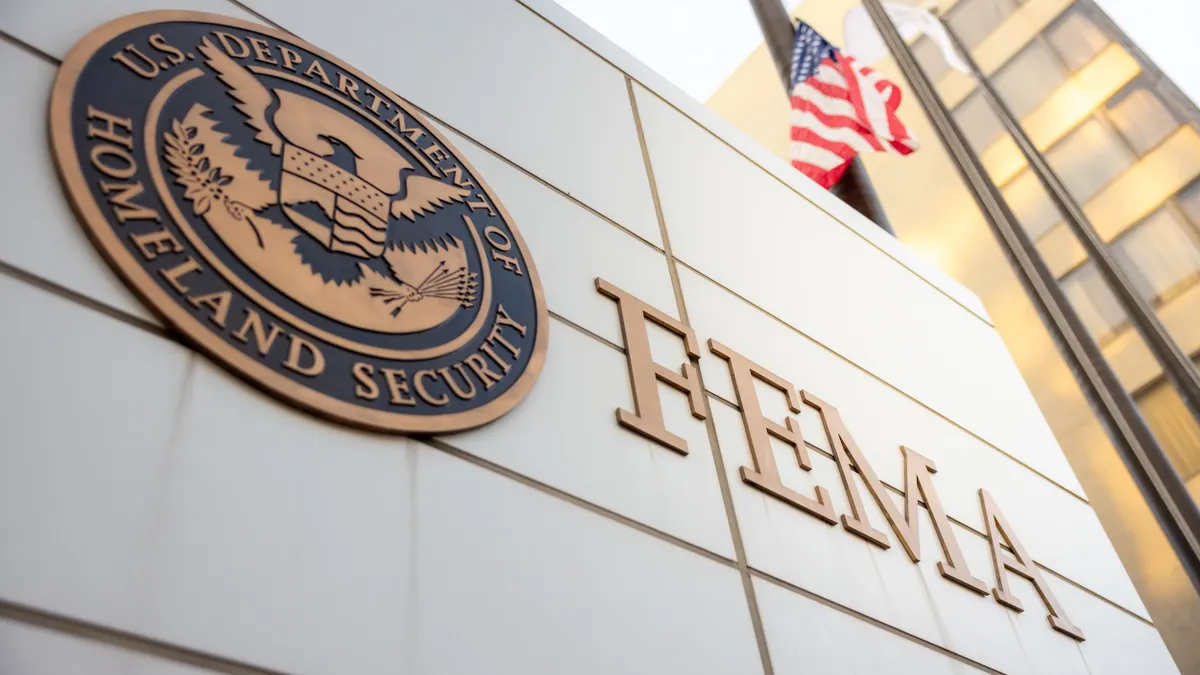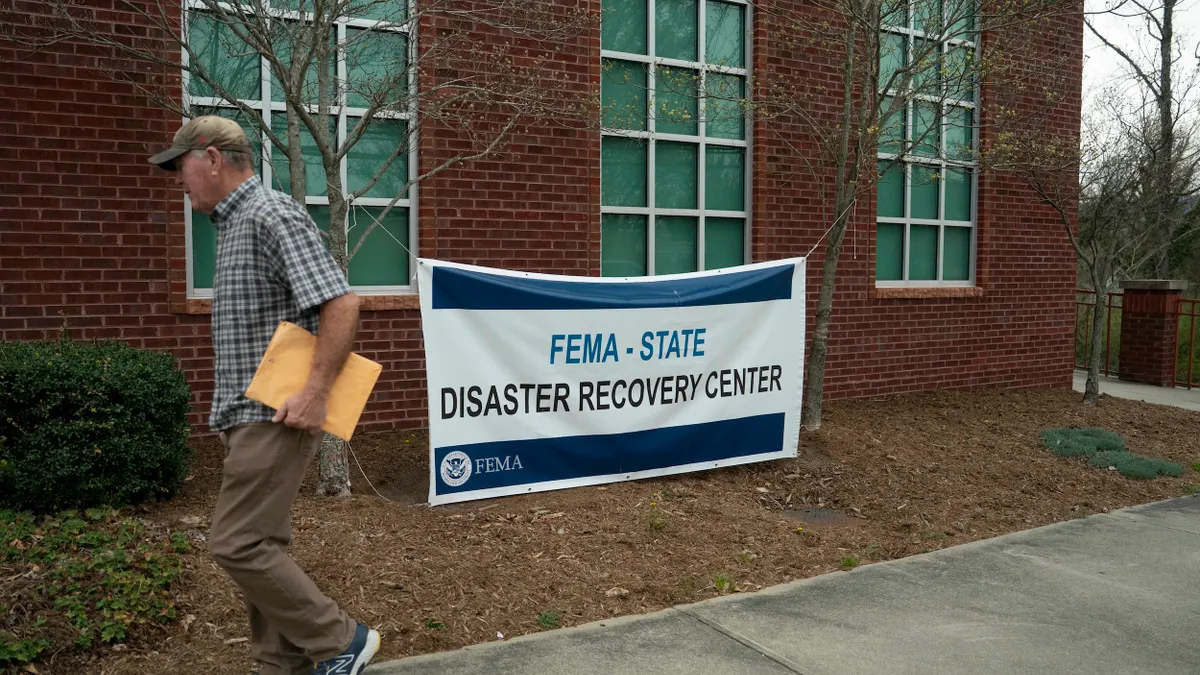
The Federal Emergency Management Agency is “measurably less prepared than at any point in recent memory” to respond to disasters, a report from advocacy organization Sabotaging Our Safety concluded in May. Three of FEMA’s top four leadership positions are vacant, a tenth of its core disaster workforce has been eliminated, federal aid for disasters is taking longer and getting rejected more frequently, and an internal assessment described the agency as “isolated” with “little inter-agency collaboration,” the report states
“There are legitimate concerns about FEMA's readiness, and they must be addressed immediately,” Texas State Rep. Mihaela Plesa said during a Tuesday press call to discuss the SOS report. “I'm asking for qualified leadership. We need experienced personnel. We need strong coordination between our local, state, tribal and federal partners, and we need a disaster response system that is focused on protecting people, not politics, because once the storm makes landfall, once the flood waters rise, once a wildfire spreads, it is too late to wish we had prepared.”
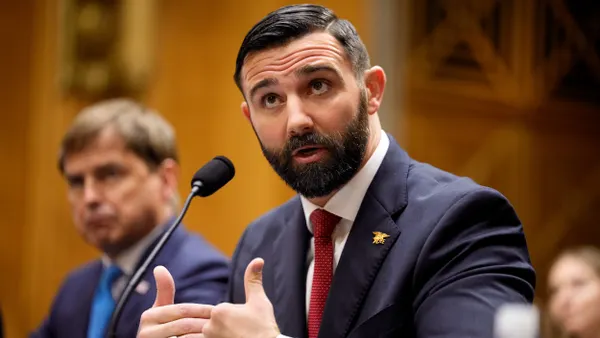
During a session at the U.S. Conference of Mayors annual meeting last week, Robert Fenton, FEMA’s acting administrator, told a different story. He said the agency has met with “every hurricane-prone state” and trained “over a million people at the federal, state and local levels” to be prepared for hurricane and wildfire season, which started June 1.
Fenton noted that he expects Cameron Hamilton, President Donald Trump’s nominee to be the next FEMA administrator, to be sworn in by early July. There’s “not a better person to be in the job,” Fenton said, describing Hamilton as “someone that cares deeply about the mission. He cares deeply about our staff.”
During the SOS press call, Rafael Lemaitre, FEMA’s former director of public affairs, said he is concerned about the “brain drain that we’ve seen happen at FEMA over the past year and a half” and “this breaking of trust between the federal government and the state governments.” The Trump administration has “turned FEMA into a political weapon” by withholding aid to some states and fast-tracking it to others, he said.
“We've seen them also propagate this lie, frankly, that somehow states are more able, better able to respond to disasters than the federal government,” Lemaitre said. “FEMA has been built from the ground up after [Hurricane] Katrina to serve the states and was never meant to supplant state authority.”
Lemaitre said he is concerned that “our nation is on track to relearn the lessons of Katrina.” During that catastrophe, “we learned firsthand, and we saw the vivid images on television, of what happens when you have an underfunded, a disrespected and a mismanaged FEMA.”
In March 2025, President Donald Trump signed an executive order shifting more responsibility for disaster preparedness to state and local governments after establishing the FEMA Review Council earlier that year to advise him on the agency’s ability to address disasters and recommend changes to how the agency operates. The administration’s efforts to reshape FEMA — including staff cuts, canceled resilience programs, higher disaster thresholds and attempts to tie funding to immigration enforcement — left the agency’s resources stretched thin and made federal support less predictable.
The FEMA Review Council report, released in May, recommends a fundamental reorientation of disaster response, giving states and local governments primary responsibility for managing disasters while streamlining recovery and mitigation grant and assistance programs. The window for public comments on the report closed Monday, and the Trump administration is reviewing the recommendations to determine next steps.
Tampa, Florida, Mayor Jane Castor said during the U.S. Conference of Mayors meeting that some of the recommendations will require legislative approval and urged mayors to review them. “We get it's not the answer to everything,” she said, “but these recommendations will lead to dramatic improvement in our response and recovery to incidents.”